
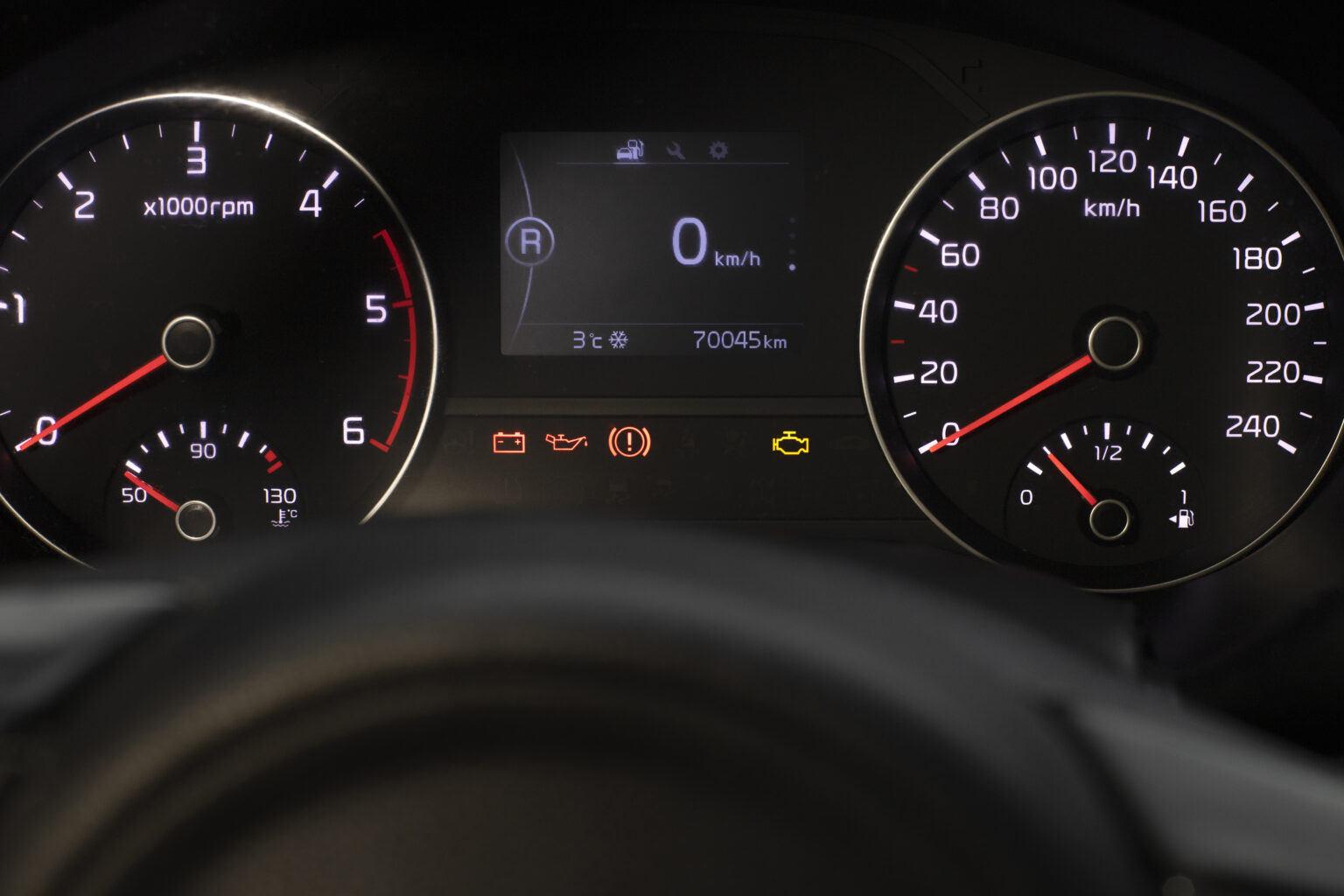
When a car is slow to start, the battery price is easy to compare and the diagnosis is easy to overlook. A replacement decision needs both: evidence that replacement is appropriate and confirmation that the proposed battery fits the vehicle's requirements.
This guide is for comparing information, not disconnecting batteries or testing electrical circuits. Modern vehicles can have model-specific procedures and more than one battery. Hybrid and electric high-voltage systems are outside this worksheet's scope and require appropriately qualified service.
First, separate the symptom from the result
Record what happened: slow cranking, a no-start, warning message or a problem after the vehicle sat. Include the date, recent service and any accessory changes. These observations help the technician; they do not prove a failed battery.
Ask what testing was performed, what it showed and whether charging-system, connection or unwanted-drain concerns need further assessment. Buying a battery before understanding the cause may leave the original problem unresolved.
Vehicle application comes before a bigger number
Battery technology, fit, terminal arrangement and vehicle requirements matter alongside rated performance. Interstate distinguishes absorbed glass mat (AGM) and enhanced flooded (EFB) batteries, including their use in start-stop applications. Do not select a substitute from one headline specification alone. Interstate AGM and EFB explanation.
Use the vehicle manufacturer's current service information and an appropriate application lookup. Ask the installer to confirm the proposed product against the exact vehicle, including relevant equipment. Do not assume the battery currently installed is the correct reference if its history is unknown.
Copy the battery decision record
| Field | What the quote should identify |
|---|---|
| Vehicle | Year, make, model, engine/application and VIN as needed |
| Complaint | Actual observed starting or warning behavior |
| Test result | What supports replacement or further diagnosis |
| Proposed battery | Manufacturer, product ID, technology and application |
| Installation scope | Access, fit, connections and vehicle-specific procedures |
| Electronic requirements | Whether registration, reset or another procedure applies |
| Final check | How the completed work will be checked |
| Warranty | Written parts/labor terms and exclusions |
| Total | Included fees, taxes and core handling if applicable |
The electronic-requirements row is a question to confirm, not a claim that every car needs registration. Avoid paying for an unexplained procedure, but do not dismiss a documented manufacturer requirement because an older vehicle did not need it.
An illustrative comparison
Quote A identifies only a “high-power battery.” Quote B names the product and vehicle application, explains the test finding and lists the installation steps included. The second is easier to evaluate, but still needs to be checked against the vehicle's actual requirements. Detail is useful evidence, not automatic proof that every recommendation is correct.
Ask the first provider to supply the missing information before comparing totals. If the proposed technologies differ, resolve that difference before deciding based on warranty length or a promotional price.
Keep the paperwork after replacement
Save the installation date, mileage, product identity, test record and written warranty. Note any follow-up instructions and who handles a warranty question. If the starting concern returns, provide the record rather than treating a new battery as proof that the rest of the electrical system is healthy.
For starting or electrical concerns, contact Mike's Mobile Auto Repairs with the vehicle identity and symptom history. Confirm the available diagnostic and installation scope. A useful quote explains the application and the evidence—not just the number on a price tag.